Brewers make wort. Yeast makes beer. Your fermenter is where the yeast does its job, and a good one is easy to clean, easy to seal and easy to move beer out of. There's no single best fermenter. It depends on how much you want to spend and how fancy you want to get. Here's how we'd choose. Cheers!
Buckets
A food-grade fermenting bucket with a lid and an airlock is cheap, light and has a wide opening that's easy to clean. Get one with a spigot and you can skip the siphon. The only downsides are that plastic scratches, and scratches can hide bacteria, so clean it with a soft cloth and replace it every few years.
Carboys
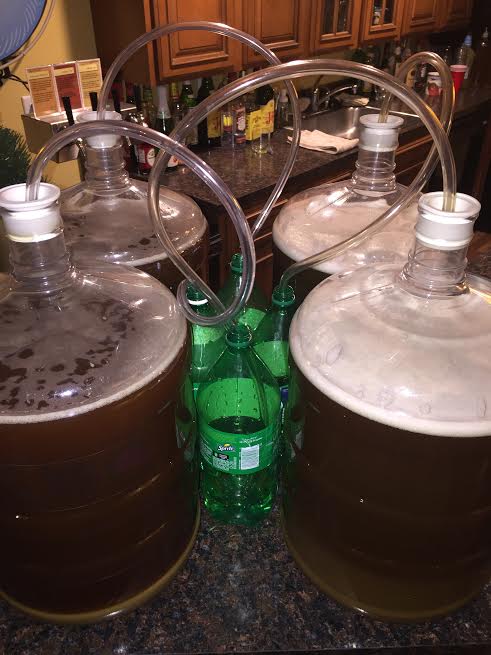
- Glass: A glass carboy never scratches and never stains, and you can watch the yeast work. It's also heavy and slippery when wet. Use a carboy handle or a carrying harness. A Big Mouth Bubbler has a wide mouth you can reach into.
- Plastic (PET): A Fermonster or other PET carboy is light, won't shatter and doesn't let oxygen through like a bucket can. Wide-mouth versions are much easier to clean.
Keep any clear fermenter out of the light. A carboy cover keeps your beer from getting skunky.
Pressure Fermenters
This is the big trend of the last few years. A pressure fermenter lets you ferment under a little pressure, which keeps fruity flavors down so you can make clean, lager-like beers at warmer temperatures. You can also carbonate right in the fermenter and push beer into a keg without any oxygen. The FermZilla All Rounder is the popular budget pick. It's PET plastic, comes in 30 and 60 liter sizes, and the 30 liter is rated to about 35 psi. Add a spunding valve to set the pressure. Use a little caution: follow the maker's pressure limits and never open one while it's under pressure.
Stainless Steel
Stainless is tough, easy to sanitize and lasts forever. A stainless bucket fermenter like the Ss Brewtech Brew Bucket or Anvil bucket fermenter is a good first step up. A conical fermenter lets you dump yeast and trub out the bottom and harvest yeast for the next batch (see Harvesting, Rinsing and Re-pitching). These cost a lot more, so wait until you know you'll keep brewing.
Our Picks
- Budget: A fermenting bucket with a spigot. It's how most of us started, and it still makes great beer.
- Mid-range: A wide-mouth PET carboy, or a FermZilla if you want to try pressure fermenting.
- Splurge: A stainless bucket or conical fermenter.
Control the Temperature
The fermenter matters less than the temperature you ferment at. A few degrees can be the difference between clean and full of off-flavors. An Inkbird temperature controller with an old fridge or freezer is the best upgrade you can make. See Build a Ferm Chamber.
Don't Forget
- A blowoff tube for vigorous fermentations.
- A auto-siphon to move beer out of a fermenter without a spigot.
- Star San for sanitizing. See Clean and Sanitize.
- A stick-on thermometer. See The Best Thermometers for Homebrewing.
Now go make some beer. Cheers!
Gear for this guide
What we use, or close to it.
- Fermenting bucket with lidFind on Amazon
- AirlockFind on Amazon
- Glass carboyFind on Amazon
- Wide-mouth PET carboyFind on Amazon
- FermZilla All RounderFind on Amazon
- Spunding valveFind on Amazon
- Stainless bucket fermenterFind on Amazon
- Temperature controllerFind on Amazon
- Blowoff tubeFind on Amazon
- Star SanFind on Amazon
These are affiliate links. Learn more
Leave a comment