Every year a new batch of hop varieties shows up, and every year we tell ourselves we'll stop buying Citra by the pound. This year might actually be the year. Here are the new hops we're most excited to get into a homebrew, and what they're supposed to bring to the glass.

Thora
Thora (you might have seen it as HQG4) comes from the Hop Quality Group working with the USDA, and it's named for the Norse god of thunder. It's loaded with thiols, the compounds behind those big tropical "passionfruit and guava" aromas, at levels that meet or beat most American hops. Expect passionfruit, guava, grapefruit and stone fruit with a resiny, dank backbone. Alpha acids average around 8.7%, so it can pull double duty. It was released in limited amounts in 2025, with a lot more acreage planned for the 2026 harvest. This one is begging to go into an IPA.
Vera
Vera is a public hop released by the USDA in 2025, which means anyone can grow it with no patents or royalties. It comes from a cross between Brewers Gold and a wild American male, and it's named after Vera Charles, one of the early USDA mycologists. Brewers describe it as tropical, stone fruit and citrus, and the best part is that the aroma you smell in the dry hop is the same aroma you get in the finished beer. That's not always the case!
Dolcita and Krush
These two come from Haas and the Hop Breeding Company. Dolcita (formerly HBC 1019) is described as peach, caramelized pineapple and even a little dark rum. Krush (formerly HBC 586) brings orange, guava, peach and resin, and a lot of breweries are using it as the third hop alongside Citra and Mosaic. If you have a house IPA, try swapping Krush in for one of your usual late additions.
Alora and Erebus
Hopsteiner has a couple of interesting ones too. Alora leans peach and melon, which sounds perfect for a hazy pale ale. Erebus is the oddball of the group, with blueberry, citrus and rose. We're thinking a blonde ale or a fruited sour would really let that come through.
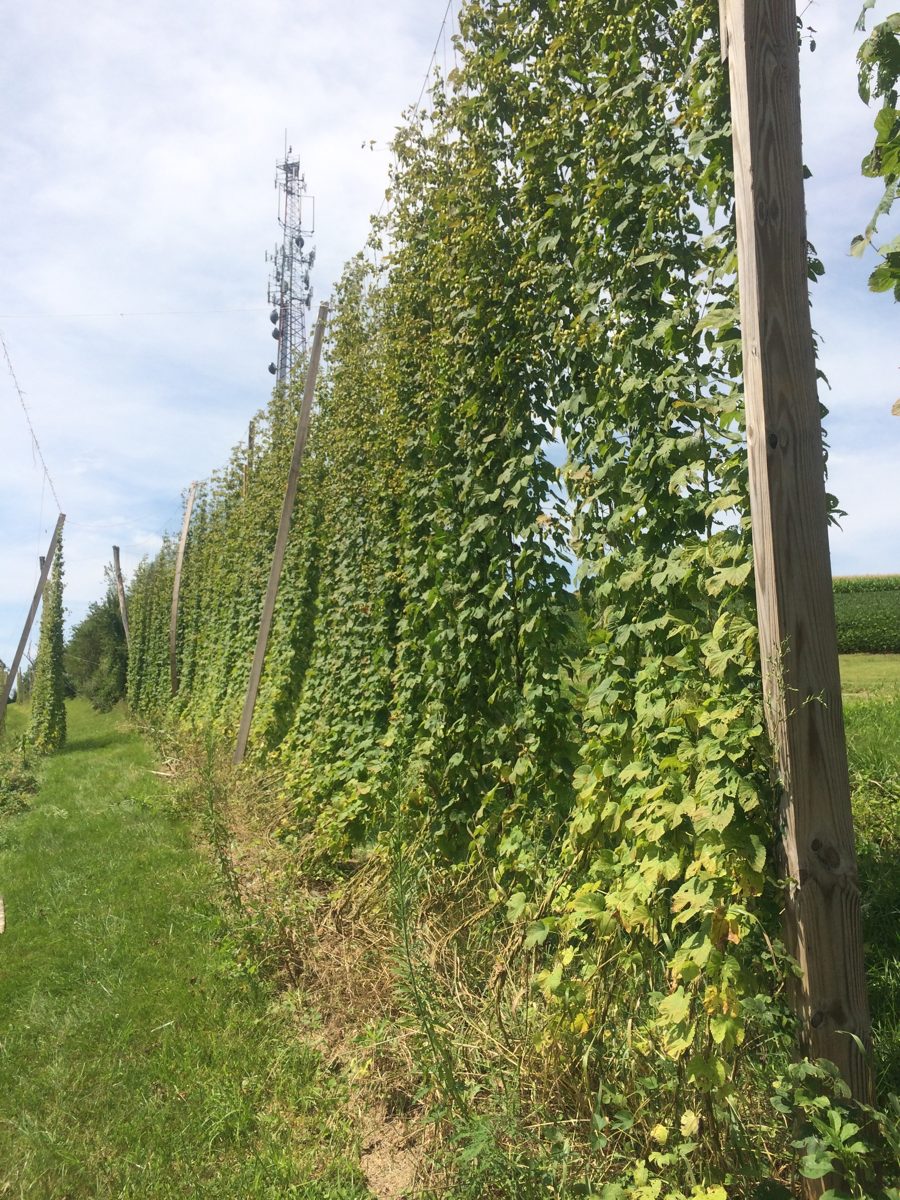
How to Try a New Hop
The best way to learn a new hop is a SMaSH beer (single malt and single hop). Use a simple base malt like 2-row or Maris Otter and one hop for every addition, and you'll know exactly what it tastes like. Our Create a Recipe guide walks through the math, and the Dry Hop guide covers getting the most aroma out of it. If you can't find these at your LHBS yet, keep checking. New varieties usually show up in homebrew-size bags a season or two after the big breweries get them.
Which one are you brewing with first? Let us know in the comments. Cheers!
Sources: Washington Beer Blog, Brewers Association, Food & Wine
Leave a comment